Source Compostable Kraft Paper Serving Tray for Catering Events
Find 30 listings for Compostable Kraft Paper Serving Tray options suitable for catering events, food service, and retail packaging. Buyers can compare specifications like capacity, certifications, and customization features across multiple suppliers.
Key considerations
Products List


Biodegradable Kraft Paper Tray for Environmentally Conscious Restaurant Use
$0.01 - $0.01
MOQ: 50 Pieces


Eco-Friendly Round Kraft Paper Trays 7/9 Inch Compostable Disposable Plate
$0.02 - $0.04
MOQ: 10000 Pieces

Disposable Food Grade Kraft Paper Food Tray - Ideal for Takeout and Delivery
$0.02 - $0.04
MOQ: 10000 Pieces
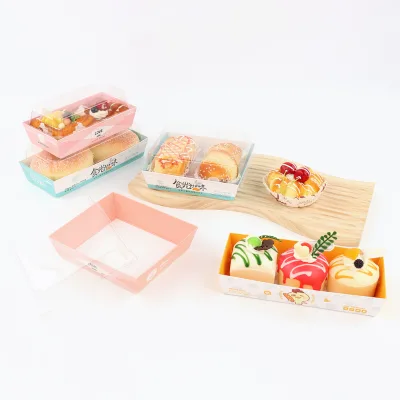


Factory Price Disposable Food Grade Kraft Paper Food Tray with PE Coated
$0.05 - $0.50
MOQ: 10000 Pieces


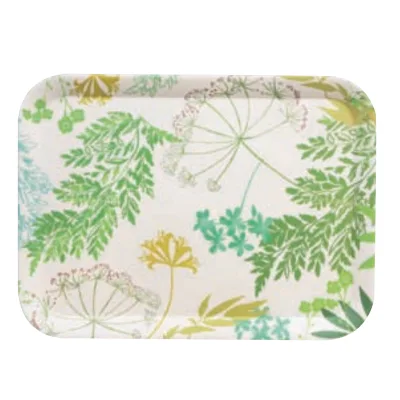
Comprehensive Sourcing Guide
Strategic Sourcing Guide for Compostable Kraft Paper Serving Trays
Understanding Material Composition and Structural Standards
When sourcing compostable kraft paper serving trays, the primary focus must be on the raw material integrity and the specific manufacturing standards that define the product's performance. The supplied data indicates that the core material for these items is paper, specifically processed through pulp moulding or constructed from kraft paper with a 337gsm+18PE specification. This combination suggests a dual-layer approach where the structural strength is derived from the paper pulp, while the 18PE (polyethylene) layer or similar coating provides necessary moisture and grease resistance. Buyers must verify that the "Kraft Paper" standard mentioned in the product attributes refers to unbleached or semi-bleached pulp that maintains the natural brown aesthetic often associated with eco-friendly packaging, or confirm if the "White, Kraft, Colored" options allow for specific branding needs.
The structural integrity of the tray is often dictated by the "prod_standard" attributes observed in the market data, such as "small, medium, large" sizing or specific weight classes like "337gsm." These metrics are critical for determining load-bearing capacity. Unlike plastic trays, paper-based serving trays rely on fiber density and bonding techniques to prevent deformation under the weight of food. The "Pulp Moulding" process noted in the specifications suggests a high-density formation where fibers are pressed into shape, potentially offering superior rigidity compared to simple die-cut paper. However, buyers should not assume all "kraft paper" trays possess identical strength; the specific GSM (grams per square meter) and the presence of a PE or PLA lining are the differentiating factors for grease and liquid resistance.
Furthermore, the "Folded" and "One-Piece Design" attributes indicate that many of these trays arrive in a collapsed state to save on shipping volume, requiring no assembly. This design feature is a significant logistical advantage for buyers managing high-volume inventory. The "Compartments" feature, ranging from one to three sections with different sizes, adds functional versatility, allowing for the separation of different food items on a single serving surface. When evaluating the technical specifications, it is essential to cross-reference the "prod_model" codes (such as JD-OTL, JD-ZS, or YS-T-002) with the specific compartment configurations and size capacities (e.g., 26oz, 34oz, 40oz) to ensure the tray matches the intended menu requirements.
Compliance, Certification, and Safety Verification
In the B2B procurement of food-contact products, verifying compliance with international safety standards is non-negotiable. The market data reveals a diverse array of certifications held by suppliers, including FDA, LFGB, CE/EU, CIQ, BV, TUV, and FSC. These certifications are not merely marketing labels but represent specific regulatory approvals required for selling in different global markets. For instance, FDA approval is the baseline for food safety in the United States, while LFGB (Lebens- und Futtermittelgesetzbuch) is the stringent German standard that often serves as a proxy for broader European compliance. The presence of "CE/EU" and "CIQ" (China Inspection and Quarantine) suggests that the products are cleared for export to the European Union and have passed Chinese export quality controls.
Buyers must exercise caution when interpreting these certifications. The data lists "FSC" (Forest Stewardship Council) as a certification, but it is also noted in the low-confidence background section. While FSC certification is highly valued for verifying sustainable forestry practices, buyers should request the specific certificate number and verify its validity with the issuing body rather than relying solely on the supplier's claim. Similarly, the "BV TUV" and "SGS BV" test results indicate third-party verification of product quality, but the specific scope of these tests (e.g., migration testing for heavy metals or biodegradability rates) must be confirmed.
The "B001" standard mentioned in the product attributes is a specific internal or industry standard that buyers should request a full definition for, as it may relate to the physical dimensions or material composition unique to a particular manufacturer. Additionally, the "ASTM D6400" and "EN 13432" standards are listed in the background context as relevant to compostability. While the data does not explicitly confirm that every listed product meets these specific compostability standards, buyers should treat them as the benchmark for verification. A product claiming to be "compostable" must demonstrably meet the disintegration and biodegradation criteria of these standards within a specific timeframe. Without explicit confirmation of ASTM D6400 or EN 13432 compliance in the product documentation, the term "compostable" should be treated as a claim requiring rigorous evidence from the supplier.
Cost Drivers and Pricing Dynamics
The pricing structure for compostable kraft paper serving trays is influenced by a complex interplay of material costs, certification fees, and order volume. The observed price range in the market data is quite broad, spanning from $0.01 to $1.80 USD per unit. This variance is not indicative of a single product type but rather reflects differences in size, complexity, and customization levels. A basic, small, single-compartment tray will naturally fall at the lower end of this spectrum, while a large, multi-compartment tray with custom printing and specialized coatings will command a higher price.
The Minimum Order Quantity (MOQ) is a significant cost driver. The data shows an MOQ range from 30 to 50,000 pieces, with a specific high-confidence observation of 50,000 PCS for certain models. This high MOQ threshold suggests that the most competitive pricing is reserved for bulk buyers who can absorb the inventory risk. For smaller buyers, the unit cost will likely be higher due to the setup costs for pulp moulding or printing processes. The "Custom Accept" and "Customized" attributes indicate that personalized branding, such as specific logos or colors (White, Kraft, Colored), will incur additional setup fees and potentially higher per-unit costs.
Packaging also impacts the final landed cost. The standard "Carton" or "Export Carton" packaging is designed for efficiency, but the "50PCS in a Poly Bag and 5000PCS in a Carton" configuration highlights the importance of secondary packaging. Buyers should calculate the cost per unit including the packaging materials, as the "Corrugated Carton Package" adds to the overall weight and volume, influencing shipping costs. Furthermore, the "Grease Proof" and "Non-Leaking" features, achieved through PE or PLA linings, add to the material cost compared to uncoated paper. Buyers must weigh the cost of these functional enhancements against the necessity of preventing food leakage during transport and service.
Typical Applications and Functional Versatility
Compostable kraft paper serving trays are designed for a wide array of food service applications, driven by their "Eco-Friendly," "Biodegradable," and "Disposable" nature. The "Usage" category is explicitly listed as "Tableware," confirming their primary role in dining and catering. The "Application" attribute specifies "Food," and the "Age" range is "All Ages," indicating suitability for both adult and children's menus. The "Folded" and "One-Piece Design" features make these trays particularly ideal for events where rapid setup and cleanup are essential, such as weddings, corporate catering, and outdoor festivals.
The compartmentalization feature, ranging from one to three sections, allows for the separation of different food types, preventing flavor mixing and enhancing the presentation of meals. This makes them suitable for main course servings, buffet lines, and snack platters. The "Anti-Fog Window" option, noted as "Optional," suggests that some models are designed for pre-packaged food items where visibility of the product is required, such as in retail or grab-and-go scenarios. The "Grease Proof" and "Leak" attributes are critical for serving hot, oily, or saucy foods, ensuring that the tray maintains its structural integrity without soaking through or leaking onto the table or the user's hands.
The "Shape" attribute, specifically "Rectangle," aligns with standard serving platters and tray designs, maximizing space efficiency on serving tables and in storage. The "Size" specifications, including "1lb, 2lb, 3lb" and volume measurements like "400ml-520ml," indicate that these trays are available in various capacities to suit different portion sizes. Whether for a light appetizer or a substantial main course, the availability of "Small, Medium, Large" sizes ensures that buyers can select the appropriate tray for their specific menu requirements. The "Printing Page" attribute, listed as "Single," suggests that branding is typically applied to one side, which is standard for serving trays where the top surface is the primary display area.
Supplier Evaluation and Quality Control Protocols
Selecting the right supplier for compostable kraft paper serving trays requires a rigorous evaluation process that goes beyond price comparison. The "prod_origin" is listed as "China," which is a major manufacturing hub for these products, but buyers must verify the specific factory capabilities and quality control systems. The presence of "SGS BV" and "BV TUV" test results in the data suggests that reputable suppliers undergo third-party inspections. Buyers should request these specific test reports to verify that the products meet the claimed "Eco-Friendly" and "Biodegradable" attributes.
Quality control should focus on the consistency of the "337gsm+18PE" standard or equivalent specifications. Variations in paper weight or coating thickness can lead to inconsistent performance, such as trays becoming soggy or leaking. The "Pulp Moulding" process requires precise control over temperature and pressure to ensure uniform density. Buyers should ask for samples to test the "Folded" mechanism, ensuring that the "One-Piece Design" does not require assembly and that the folding lines are clean and do not tear easily.
The "Customization" capabilities of the supplier are another critical evaluation point. While "Custom Accept" is listed, the ability to produce "Multicolor" options or specific "prod_model" variations depends on the supplier's equipment. Buyers should assess the supplier's capacity to handle "Export Carton" packaging standards, ensuring that the "5000PCS in a Carton" configuration is robust enough to prevent damage during international shipping. Additionally, the "MOQ" of 50,000 PCS for some models indicates that the supplier may be optimized for large-scale production. Smaller buyers should verify if the supplier can accommodate lower volumes without compromising quality or inflating costs excessively.
Long-Term Procurement and Sustainability Considerations
Sourcing compostable kraft paper serving trays is not just a transactional decision but a strategic move towards sustainability. The "Eco-Friendly" and "Biodegradable" attributes are key selling points for brands looking to reduce their environmental footprint. However, the long-term viability of these products depends on the disposal infrastructure available to the end-user. While the "FSC" certification implies sustainable sourcing of raw materials, the actual compostability of the tray relies on the presence of a "PLA" or "PE" lining. Buyers must clarify whether the "PE" lining is compostable in industrial facilities or if it requires separation, as traditional polyethylene is not biodegradable.
The "Standard" of "B001" or "337gsm+18PE" should be reviewed in the context of local waste management regulations. In regions with strict composting mandates, the presence of non-compostable linings could lead to regulatory issues. Buyers should verify if the supplier offers fully compostable alternatives, such as PLA-lined trays that meet "EN 13432" or "ASTM D6400" standards, rather than relying on the general "Eco-Friendly" claim.
Furthermore, the "Customization" aspect allows brands to align their packaging with their sustainability messaging. The ability to print on "Kraft Paper" without compromising the material's integrity is a valuable feature for maintaining brand identity while promoting environmental responsibility. Buyers should consider the "Lead Time" and "Location" factors, as the "China" origin may involve longer shipping times compared to local suppliers. However, the cost benefits of bulk ordering from China, combined with the high "MOQ" thresholds, often make it the most economical choice for large-scale operations.
In conclusion, sourcing compostable kraft paper serving trays requires a balanced approach that considers material specifications, regulatory compliance, cost efficiency, and sustainability goals. By carefully evaluating the "prod_standard," "Certification," and "Feature" attributes, buyers can ensure they select products that meet their operational needs while adhering to environmental standards. The wide range of sizes, from "26oz" to "66oz," and the variety of compartment options provide the flexibility needed for diverse food service applications. Ultimately, the success of the procurement strategy lies in the ability to verify claims through third-party testing and to select suppliers who demonstrate a commitment to quality and sustainability.
FAQs
What certifications do compostable kraft paper serving trays hold?
These trays typically hold FDA, LFGB, and CE/EU certifications for food safety. Some models also carry BV, TUV, and CIQ approvals to ensure compliance with international export standards and quality requirements.
Can I customize the size and design of these paper trays?
Yes, customization is available for size, color, and branding. Buyers can request specific dimensions like 500ml or 1500ml capacities, and options include white, kraft, or colored finishes with single-side printing.
What is the minimum order quantity for these disposable trays?
The minimum order quantity ranges from 30 to 50,000 pieces depending on the supplier and model. High-volume orders often target 50,000 pieces to secure competitive pricing and efficient production scheduling.
How are these trays packaged for export shipping?
Trays are packed in export cartons or corrugated cartons to ensure safety during transit. Specific configurations may include 50 pieces in a poly bag and 5,000 pieces in a single carton for bulk efficiency.
Are these trays grease-proof and leak-resistant?
Yes, the trays are designed to be grease-proof and non-leaking. This performance is achieved through a 337gsm+18PE specification or similar PE or PLA lining that protects against moisture and oils.
Which material standards define the structural integrity of these trays?
The trays are made from paper using pulp moulding or kraft paper standards. Specific models may adhere to standards like B001 or 337gsm+18PE to ensure rigidity and load-bearing capacity for food service.